
Wichita Falls, TX
Garage Door Spring Repair for Wichita Falls Area Homes
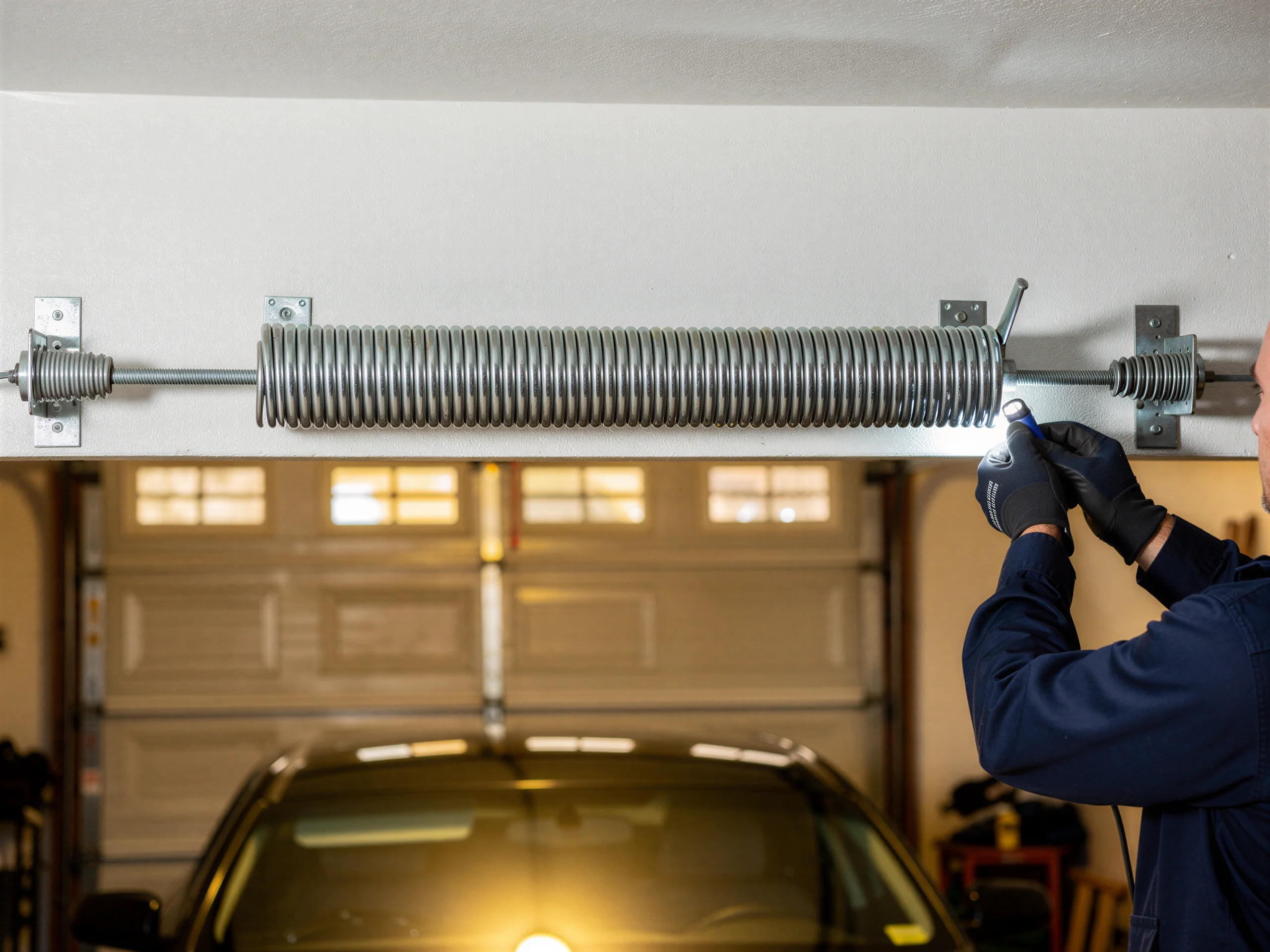
Most homes in this service area were built between 1974 and 1983, and the torsion springs from that era are long past their lifespan. Here's what fails and why.
Popular Services
What Can Go Wrong
A garage door spring does one job: counterbalance the weight of the door so the opener (or you, lifting by hand) isn't fighting a couple hundred pounds of wood or steel.
Torsion spring snapping mid-coil
When it goes, it goes one of two ways. A torsion spring mounted above the door snaps clean across the middle, usually with a bang loud enough to bring someone running from the next room.
Extension springs whipping loose
An extension spring, the kind that stretches along the horizontal tracks on older setups, either snaps or a frayed cable lets go first and the spring whips loose. Most of the houses we work on in this service area went up between 1974 and 1983, with the median build year sitting at 1976.
Undersized replacement springs
That matters here because a lot of those garages still have their second or third spring, not the original, and whoever installed it may not have matched the wire size and wind to the door's actual weight. An undersized spring works fine for a while, then fails early and takes a cable or a drum with it.
Spring cycle count exhausted
We also see galvanized springs that have simply outlived their cycle count, since nothing in a torsion spring lasts forever no matter how well it was installed. We don't repair a broken spring by itself - there's no splicing a torsion spring back together. It gets replaced, and the question is just whether the second one goes with it.
How It Shows Up
The most obvious sign is a door that won't move at all. You hit the opener button and it hums, strains, or reverses itself halfway up - the opener is trying to lift weight it was never built to carry alone.
Release cord hand-lift test
If you pull the release cord and try to lift the door by hand, you'll feel it immediately: a door with a working spring should lift with one hand and stay roughly where you put it, and a door with a broken spring feels like dead weight. Some homeowners hear it before they see it. A torsion spring breaking under tension makes a sharp crack, sometimes loud enough to think something fell in the garage.
Crooked, higher on one side
If the door was partway open when it happened, it may have dropped suddenly. A quieter warning sign is a door that looks crooked going up or down, higher on one side than the other. That usually means one spring on a two-spring system is still holding and the other has already failed or is close to it.
Lopsided load wears gears
Left alone, the working spring and the opener end up carrying a lopsided load, which wears out the opener gears and bends track faster than it should. If your door has felt heavier than usual for a few weeks, or the cables look loose at the bottom bracket, that's usually the spring losing tension before it actually snaps.
How We Fix It
We measure the door - height, width, and actual weight - rather than just matching what's currently hanging, because what's currently hanging may have been undersized the last time someone touched it.
Wire, coil, and diameter specs
Wire diameter, coil length, and inside diameter all have to match the door's weight and the drum size on the shaft, or you end up back here in a couple of years. If one torsion spring has broken, we replace both. They wear at close to the same rate since they're under the same cycles, and running a new spring against an old one just sets up another lopsided failure down the road.
Checking drums and bearing plates
We also check the cables, drums, and bearing plates while we're in there, since a spring failure is sometimes the second domino, not the first - a frayed cable or a seized bearing can be what stressed the spring in the first place.
Bent tube or cracked drums
One honest limitation: if the torsion tube is bent or the drums are cracked, that's a bigger job than a spring swap, and we'll tell you before we start rather than after. Not every call is a same-day fix, and we'd rather say that up front than surprise you with it.
Why It Happens Here
Across this service area - roughly 7,856 households, with about 5,154 of those owner-occupied houses - the housing stock skews older, mostly 1960s and 70s construction with a median build year of 1976. That's a specific problem for garage door springs: a spring installed when a house was built in the mid-1970s is on at least its second or third replacement by now, often by different people using different parts, which is exactly how you end up with a mismatched wind or wire gauge holding up a door.
The cold moderate climate here adds to it. Steel contracts in cold weather, and a spring that's already near the end of its cycle count is more likely to fail on a cold morning than a warm afternoon - the metal is stiffer and less forgiving right when the door gets its first full-weight pull of the day.
We cover this service area out to Pleasant Valley, Iowa Park, Holliday, and Burkburnett, and the pattern holds across all of it: older stock, original or near-original hardware in a lot of garages, and a climate that doesn't do aging springs any favors. At a median household income of $65,068, most folks here are replacing a spring once and doing it right, not patching it twice.
Questions
Common questions
How do I know if it's the spring and not the opener?
Pull the manual release cord with the door closed and try lifting it by hand. A door with a good spring lifts smoothly with one hand and holds its position. If it's heavy, drops on its own, or won't budge, the spring is carrying little or no tension and the opener was never the problem.
Why do you replace both springs instead of just the broken one?
On a two-spring system, both springs see the same number of open-close cycles. If one has failed from age or fatigue, the other is close behind. Replacing only one often means a second service call within a year or two, so we replace the pair.
Is it dangerous to open the door myself if a spring just broke?
Yes - without spring tension the door can drop fast and the cables may be under uneven load. Leave it closed, use the manual release only if you need to get a car out, and don't put your hands near the tracks or cables until the spring's been replaced.
Can cold weather really cause a spring to break?
It's a factor, not the whole cause. Steel is stiffer in cold temperatures, so a spring that's already near the end of its lifespan is more likely to fail on a cold morning than mid-afternoon. Age and cycle count still matter more than the weather alone.
Explore more
Explore More Services In Wichita Falls, TX
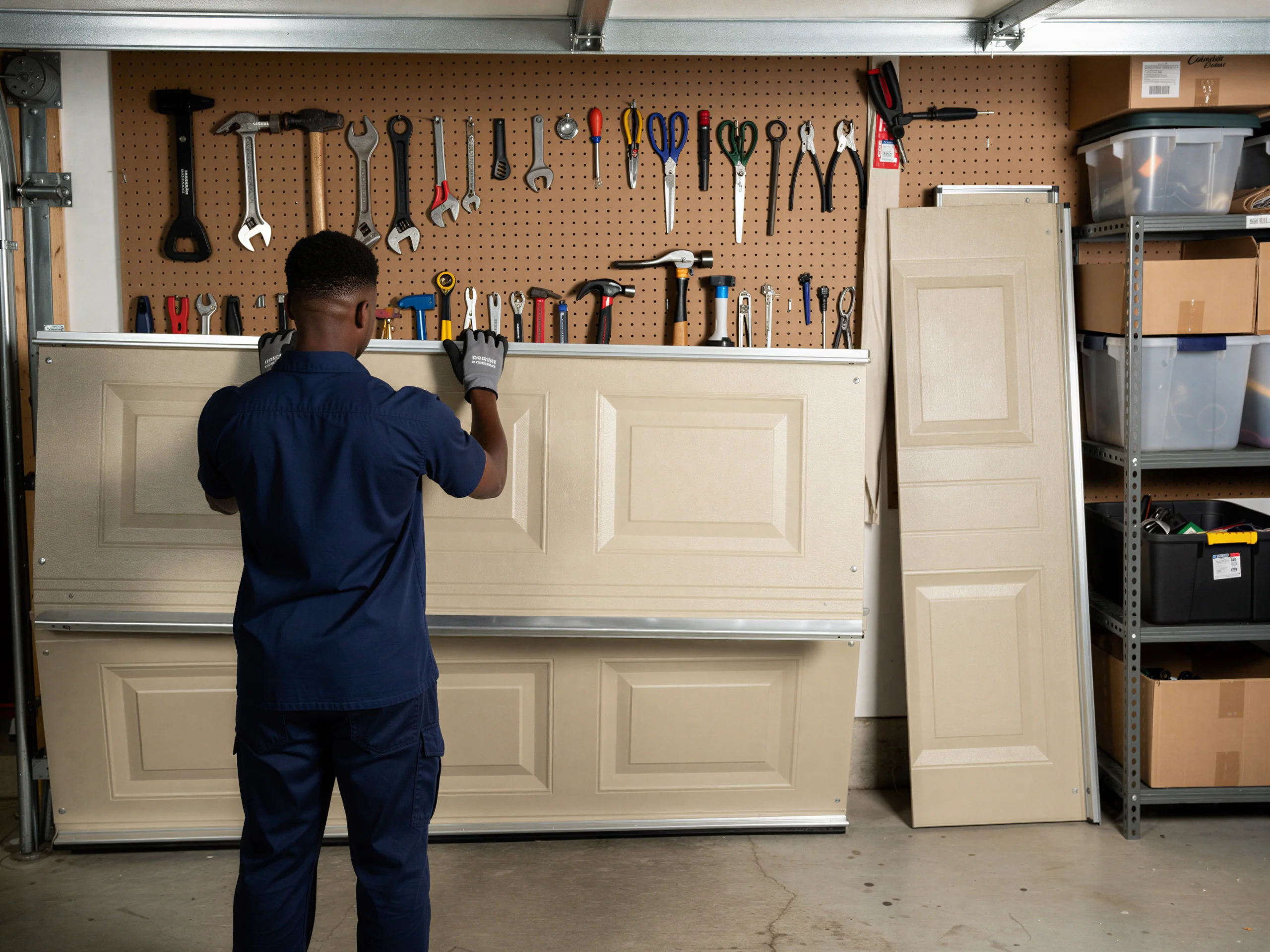
Garage Door Panel Replacement for Wichita Falls Homes
Dented or cracked garage door panels are common on Wichita Falls homes built in the 1970s. Learn more →
Emergency Garage Door Repair in Wichita Falls
Broken spring, stuck opener, or a door that won't close in Wichita Falls? Learn more →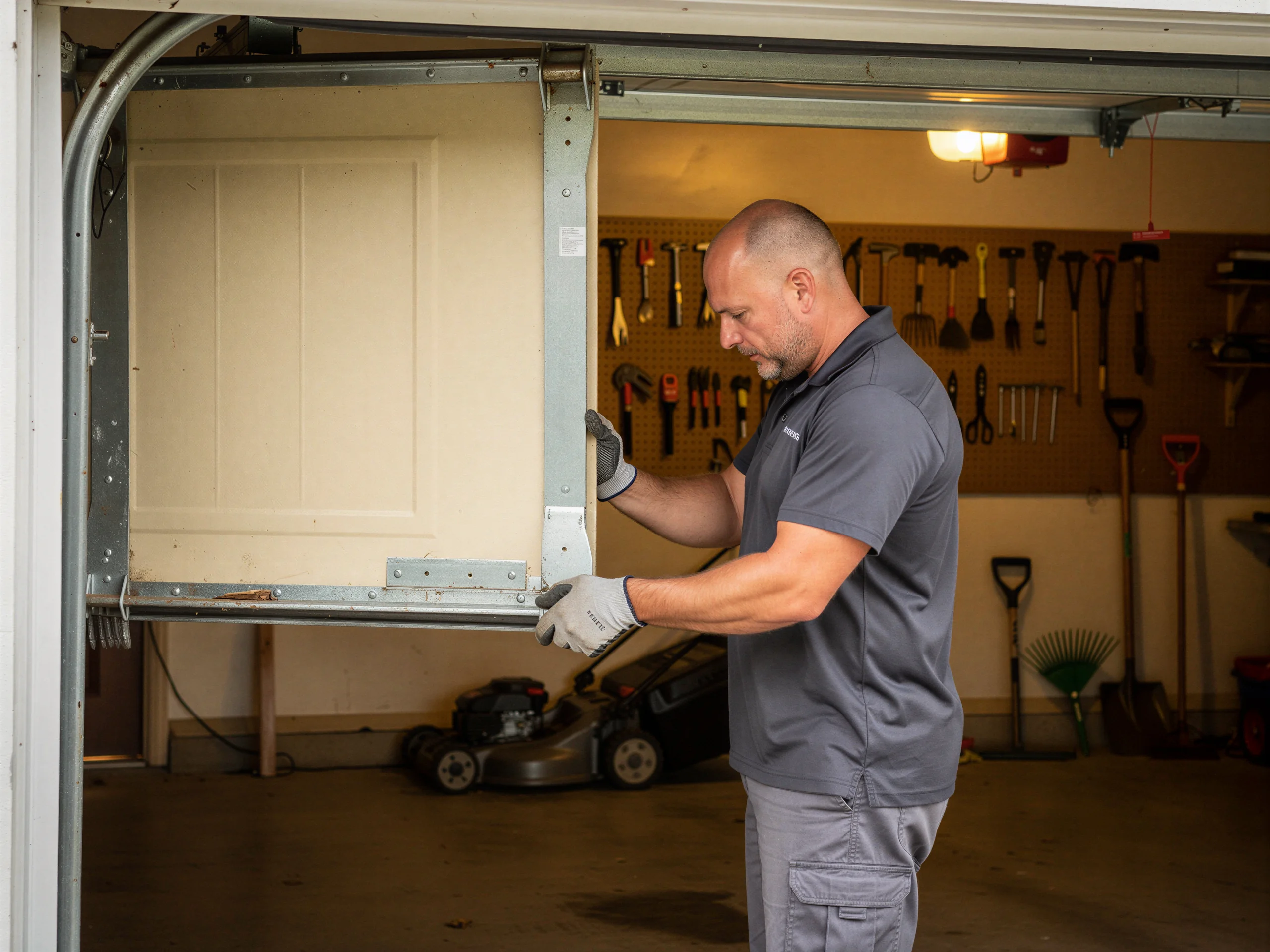
Garage Door Maintenance Built Around Wichita Falls Houses
Garage door maintenance for Wichita Falls homes built mostly in the 1970s, matched to our cold-moderate swings. Learn more →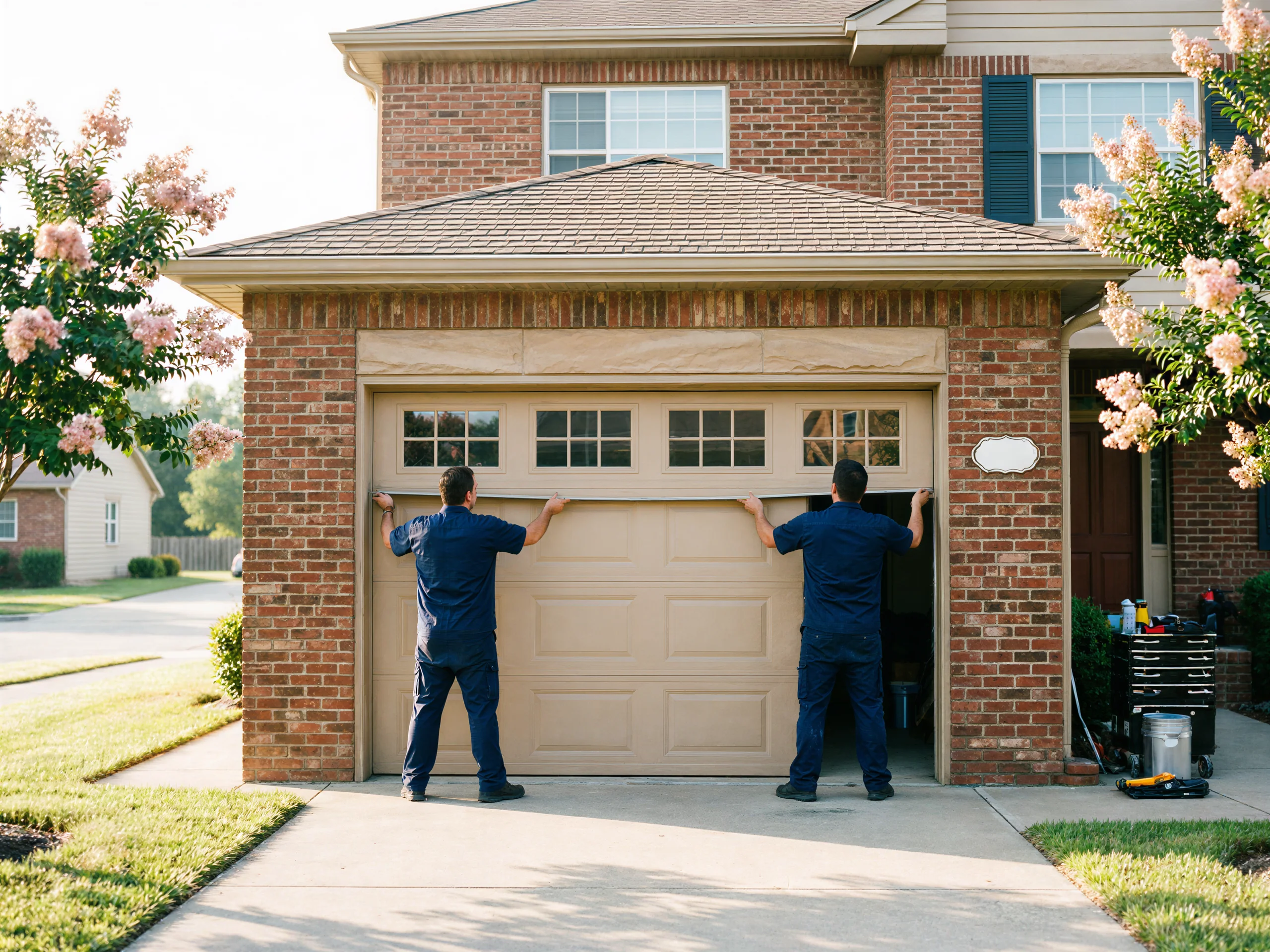
Garage Door Installation for Wichita Falls Homes
Garage door installation built for Wichita Falls homes from the 1974-1983 boom years, matched to our cold-swing climate and original door openings. Learn more →
Garage Door Service in Wichita Falls, Texas
Garage door service for Wichita Falls homes built mostly between 1974 and 1983 - springs, openers, and track worn by big seasonal temperature swings and original hardware. Learn more →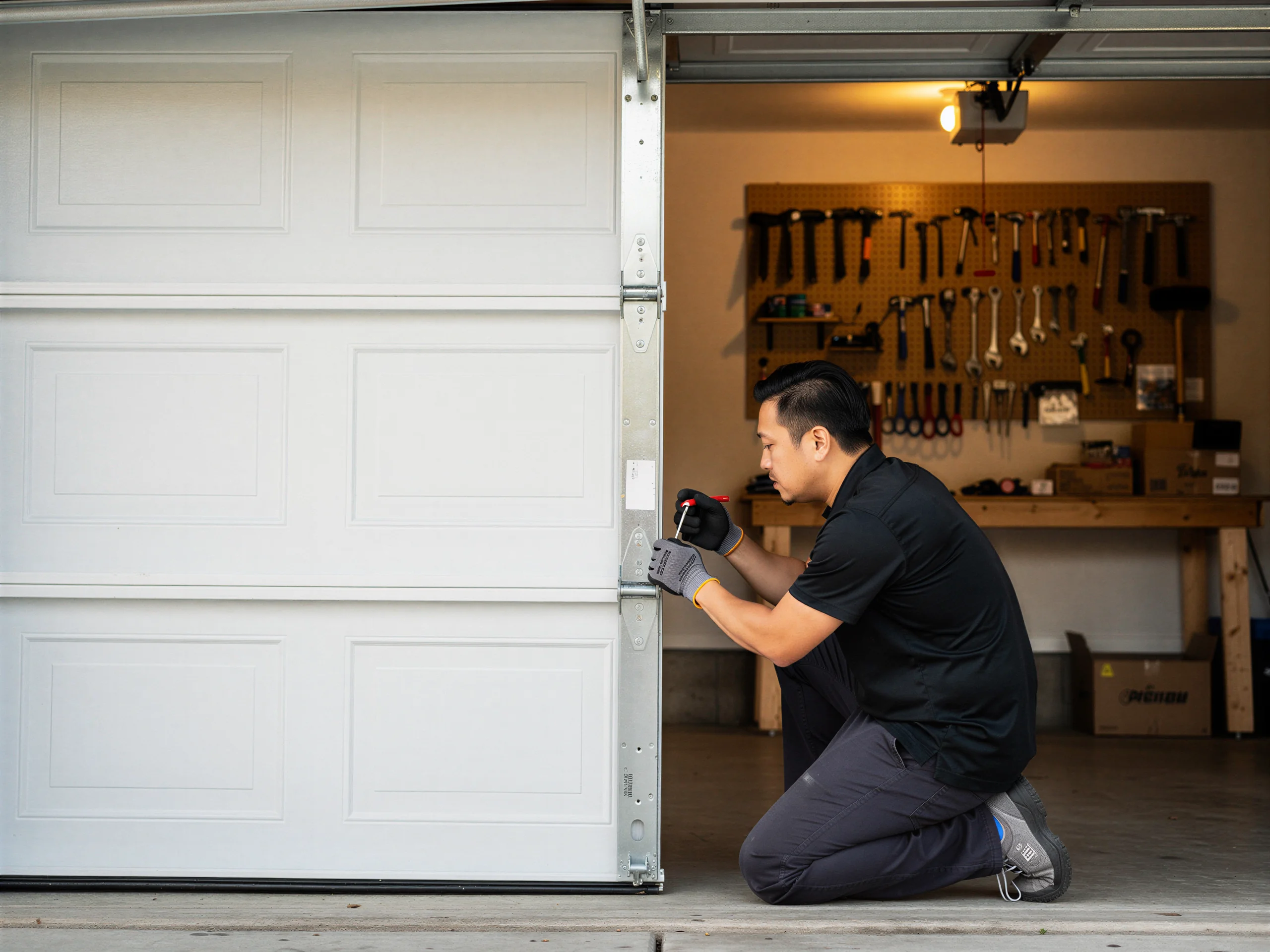
Garage Door Repair Built Around Wichita Falls Houses
Garage door repair for Wichita Falls homes built in the 1970s boom years, where original hardware and hot-to-cold swings wear springs and openers faster than newer stock. Learn more →Ready when you are
Broken garage door spring in Wichita Falls?
Wichita Falls Garage Door Pros repairs and installs garage doors, springs and openers in Wichita Falls, TX and the surrounding area.