
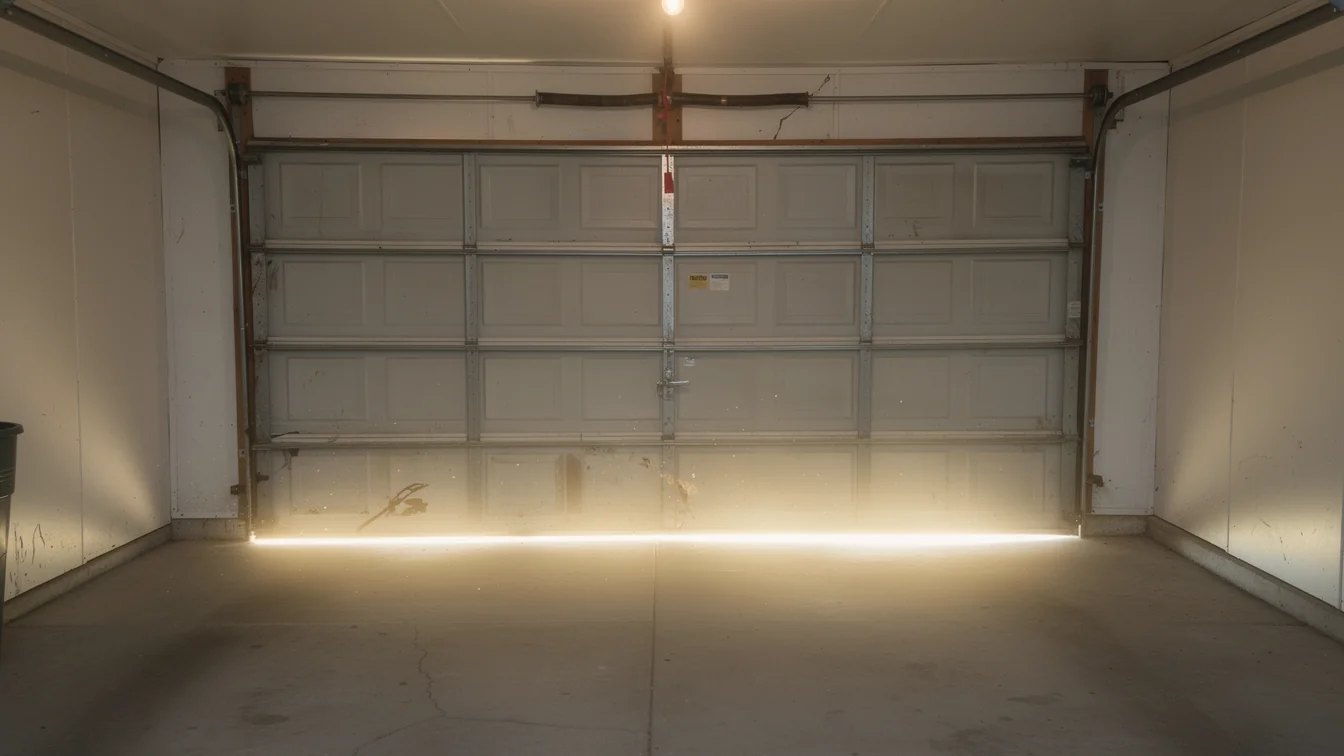
 When a Wichita Falls Garage Door Needs More Than a Weekend Fix
Wichita Falls homes built mostly 1974-1983 run original torsion hardware into a cold winter swing.
BlogWichita Falls, TX · 4 min read
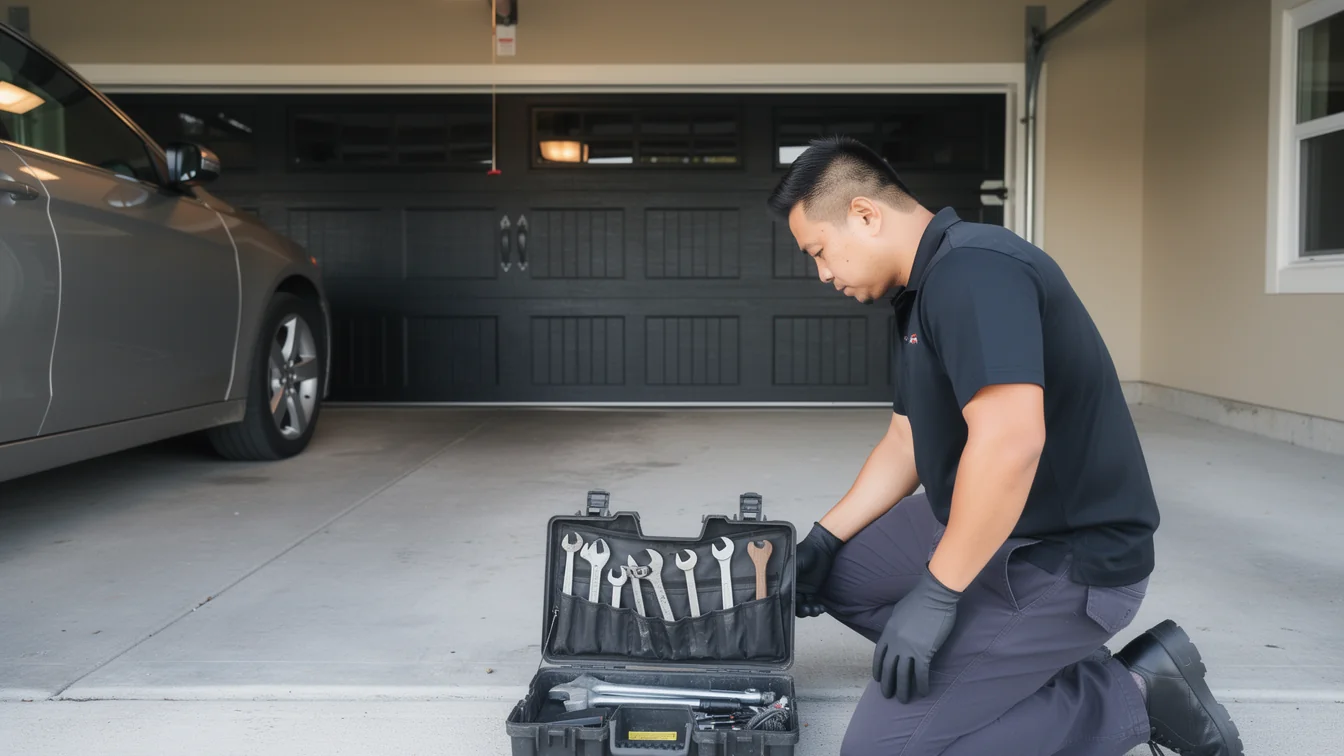
What's Actually Included When We Come Out
A service call here checks 1970s-era torsion hardware, worn seals, and cold-weather adjustments common across Wichita Falls homes built between 1974 and 1983.
Local detail
When It Stops Being a DIY Job
Tightening a loose bracket or swapping a sensor bulb is fine to handle yourself. The line gets crossed the moment a torsion spring is involved, and in this part of town that line comes up a lot sooner than people expect. Most of the houses we get called to here went up between 1974 and 1983, which puts the original torsion springs and openers at the end of their realistic lifespan right now. A spring under tension that's 45-plus years old doesn't give warning before it lets go, and it can take a finger or a windshield with it.
If the door won't budge, if one side of the opener is grinding, or if the cable has jumped the drum, stop pulling on it and call. That's not us padding a ticket - torsion systems store enough force to do real damage, and the hardware on a house this age is often the original gauge, not the lighter stuff builders use now. If you're only dealing with a noisy roller or a door that's slightly off-track, that's a smaller job and worth asking about on the phone before you assume it's a full replacement.
The area
The Situation
The service area covers roughly 7,856 households, and 5,154 of those are owner-occupied houses - a mix that's dominated by stock from the 1960s and 70s across four named areas of town. That matters for a service call because it means the hardware behind the door is rarely new. Original torsion springs, steel panels with the heavier gauge builders used then, and openers from well before today's safety-sensor standards all still show up on a normal week of calls.
Median household income in the area sits at $65,068, which is part of why most calls start as a repair question, not a replacement pitch. People want to know if the part can be fixed before they hear a number for a new door. A service call reflects that: we open with diagnosis - spring tension, track alignment, cable wear, opener gears - and give you the repair option first when the hardware supports it. Replacement comes up when the door itself is the problem, not before.
What we find
Where People Go Wrong
The most common mistake isn't neglect, it's guessing at the cause. A door that's slow to close or reverses partway is usually blamed on the opener when the actual issue is a spring that's lost tension - on a house from the 1970s-80s era, that's often exactly what's happening, since the spring has had four-plus decades to wear. Replacing the opener fixes nothing in that case and costs more than the real repair.
The other pattern is waiting too long on a cable that's starting to fray. On older houses it's common for the cable and spring to be original equipment, and when one fails under load, it usually takes the other hardware with it - bent track, dented panel, sometimes the opener arm. A call that catches a fraying cable before it snaps is a twenty-minute fix. A call after it's gone is a half-day job with more line items. We'll tell you straight if a part's worn but not yet failed - it's your choice whether to wait, we just want you making that choice with the facts.
How we work
What Local Conditions Do
This area sits in a cold-moderate climate band - real winter cold, but not the deep-freeze conditions that crack weatherstripping or lock up tracks with ice buildup. What that temperature swing does instead is work on the metal itself: steel panels and tracks expand and contract through the seasonal range, and over enough years that cycling loosens bolts, warps weatherstrip seals, and throws alignment off by small amounts that add up.
A service call in this climate checks for that specifically - track bolts that have backed out from vibration and thermal cycling, seals that have hardened and cracked rather than frozen stiff, and hinges where the expansion-contraction cycle has worn the pin holes oval. None of that is dramatic weather damage; it's slow wear that shows up as a door that's gotten noisier or slightly crooked over a couple of years. One limitation worth saying plainly: we don't stock every obsolete panel or hardware size from the 1970s on the truck. If your door needs an exact-match part from that era, that sometimes means a short order delay rather than a same-visit fix.
Questions
Common questions
How do I know if my spring is original to the house?
If the house was built in the 1974-1983 window common in this area and the spring has never been serviced, there's a good chance it's original or close to it. We check the winding and coil condition on the call and can tell you its approximate age range from wear signs, even without paperwork.
Does cold weather here actually damage garage doors?
Not in the way deep-freeze climates see it. This area's cold-moderate band mostly causes gradual metal expansion and contraction rather than ice lock-up, which shows up as loosened bolts and hardened seals over time rather than sudden freeze damage.
Will you always recommend replacement over repair?
No - most calls start with diagnosis, and if the spring, cable, or track is the actual problem, we quote the repair first. Replacement only comes up when the door itself has failed or the repair cost doesn't make sense against a new door.
Recommendation
You Might Also Like
More garage door guides for Wichita Falls homeowners.
When a Wichita Falls Garage Door Needs More Than a Weekend Fix
Wichita Falls homes built mostly 1974-1983 run original torsion hardware into a cold winter swing.
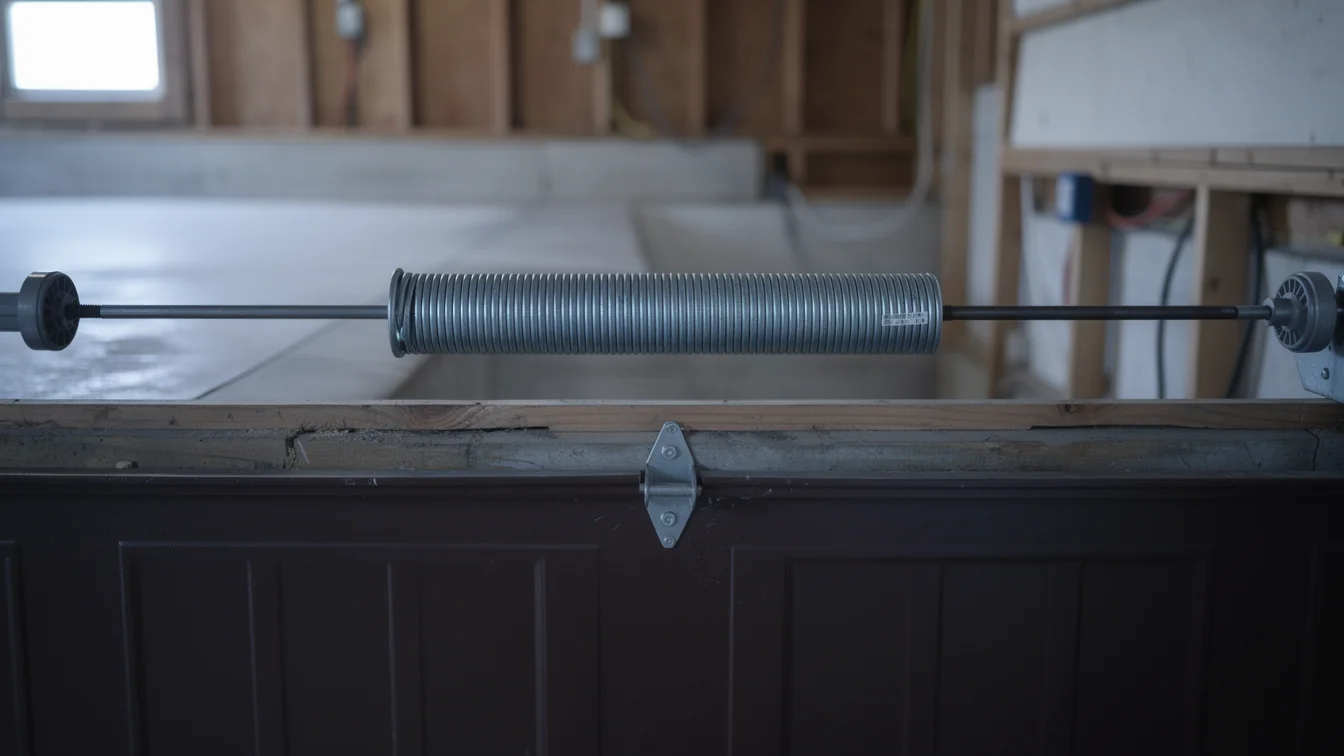 Spring Repair in Wichita Falls: Know When to Stop
In Wichita Falls, homes mostly date to the mid-1970s, and cold snaps break original torsion springs fast.
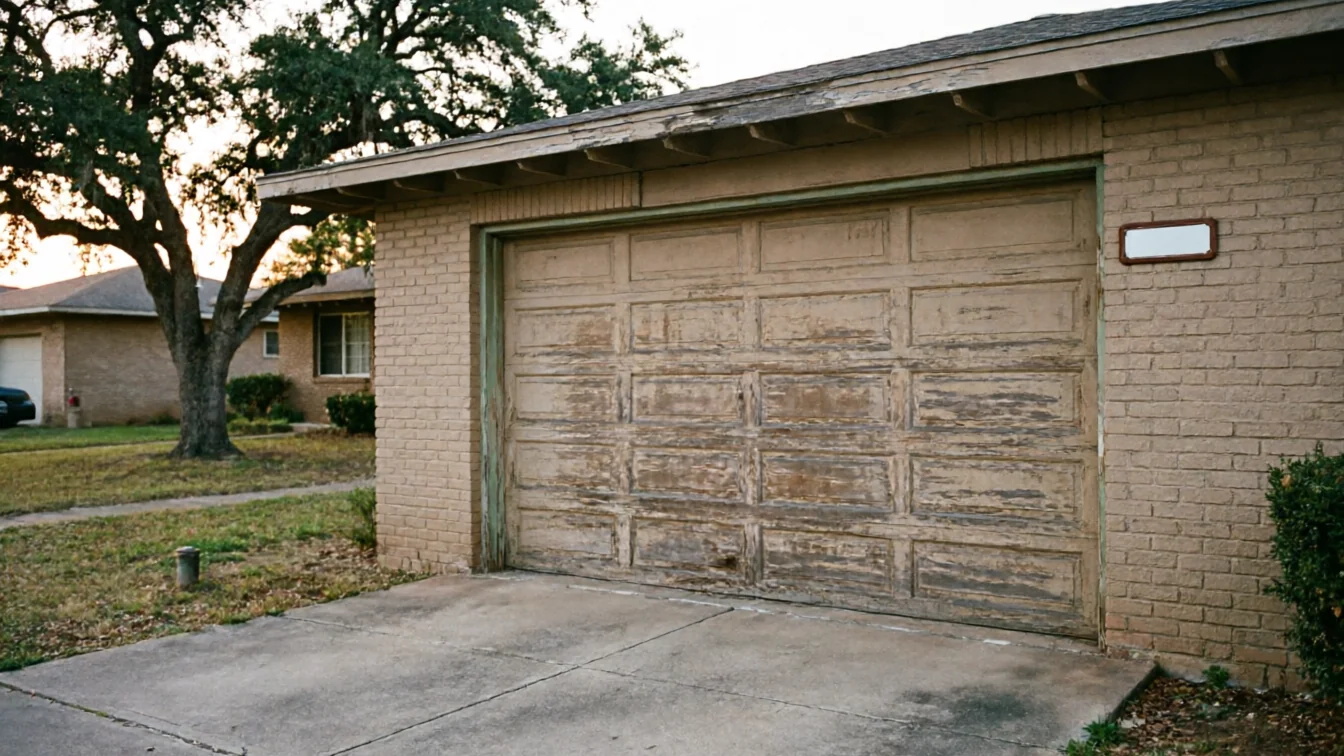 What an Older Garage Door Here Is Actually Worth Fixing
Wichita Falls homes mostly date to the 1970s, and original garage doors on that stock often fail the same way.
Ready when you are
Need a garage door sorted in Wichita Falls?
Wichita Falls Garage Door Pros repairs and installs garage doors, springs and openers in Wichita Falls, TX and the surrounding area.