
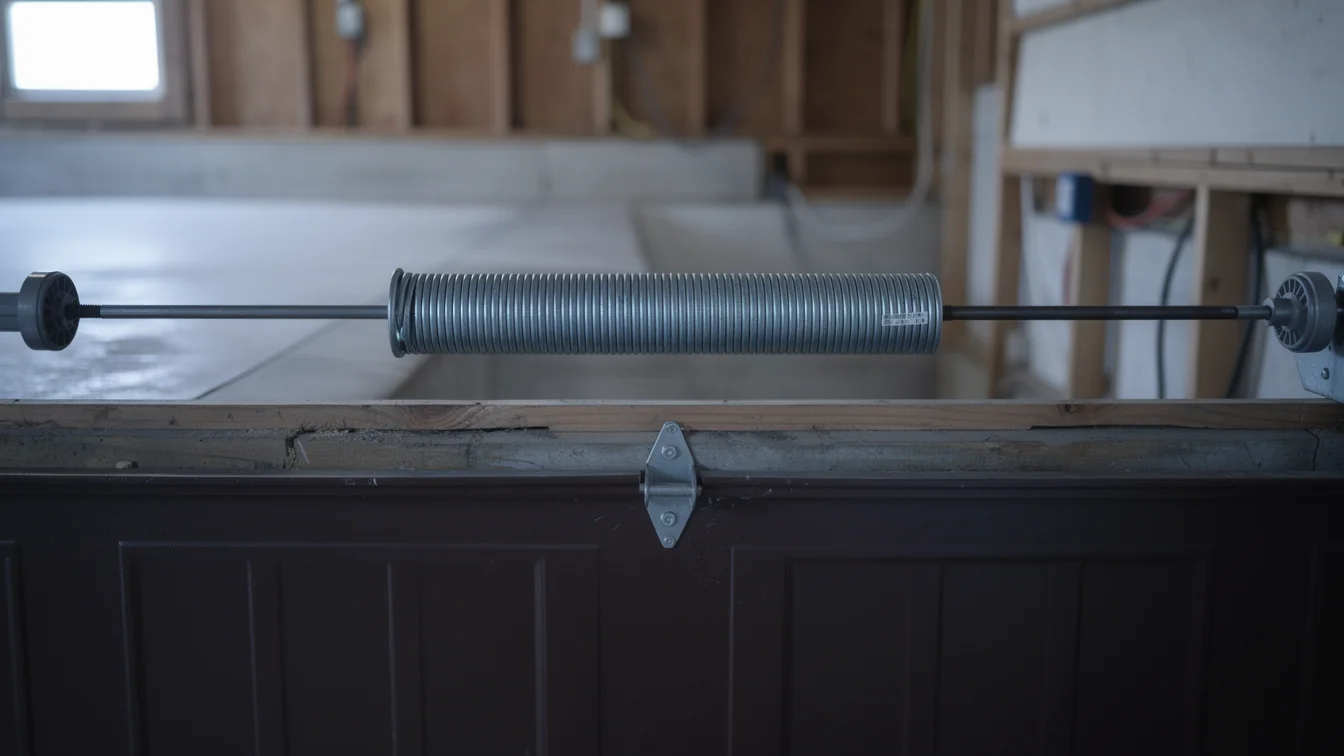
 Spring Repair in Wichita Falls: Know When to Stop
In Wichita Falls, homes mostly date to the mid-1970s, and cold snaps break original torsion springs fast.
BlogWichita Falls, TX · 5 min read
When a Wichita Falls Garage Door Needs More Than a Weekend Fix
Wichita Falls homes built mostly 1974-1983 run original torsion hardware into a cold winter swing. Know when a repair call beats a DIY fix on this housing stock.
Local detail
When It Stops Being a DIY Job
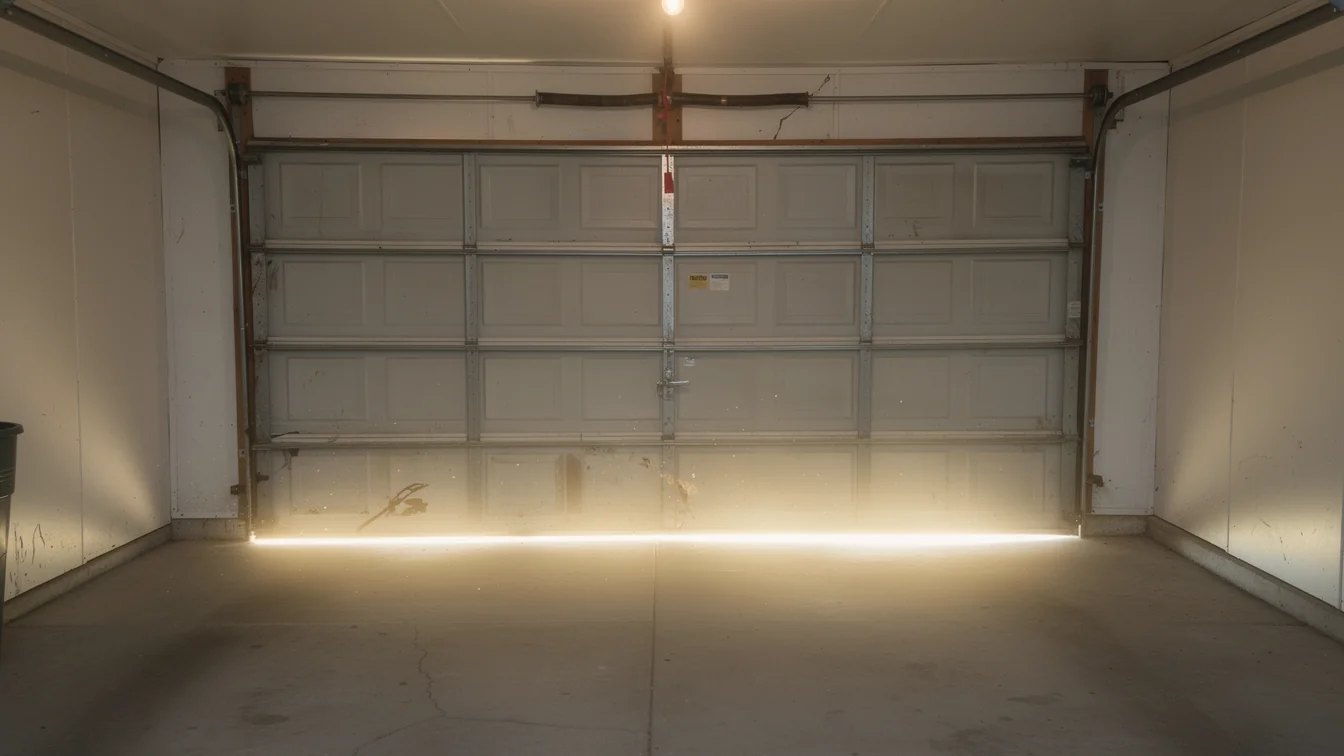
Most of the houses this company works on went up between 1974 and 1983, with the median build year sitting at 1976. That matters because the torsion springs and openers from that era were not designed for forty-plus years of cycling. If your door is original to the house, the spring has likely been wound and unwound tens of thousands of times past what it was rated for, and the steel fatigues from the inside - you don't see it until the cable snaps or the spring lets go.
A DIY job makes sense for a loose hinge, a dirty track, or a sensor you can realign yourself. It stops making sense once you're talking about a broken torsion spring, a bent track on a door that's original to a 1970s build, or an opener that's seizing because the gears inside have worn down over decades. On a double door especially, a spring under that much tension is not a safe place to learn as you go.
The honest limit here: if the door panel itself is original steel from that build era and it's dented or rusted through, patching it is usually a waste of money. Replacement panels for doors that old are often no longer made, and the labor to retrofit a mismatched panel can cost more than a new door section by section.
The area
The Situation
The service area runs about 7,856 households, with 5,154 of those owner-occupied houses - a lot of garages built in the same narrow window, which means a lot of hardware aging out at the same time. Median household income across the area sits at $65,068, which shapes a real decision homeowners here face: repair the spring and opener now, or let a marginal door slide until it fails on a cold morning and becomes an emergency call instead of a planned one.
Nearby communities - Pleasant Valley about 4 to 5 miles out, Iowa Park roughly 10 miles away, Holliday at 11 miles, and Burkburnett at 12 - share a lot of this same housing-era profile, so the patterns in wear and failure tend to look similar across that stretch rather than being unique to one street or subdivision.
What we see most isn't dramatic. It's a torsion spring that's been quietly weakening for a decade, an opener drawing more current than it should because the door isn't balanced, or rollers that were fine in 1990 and are now the reason the door shudders on the way up. None of it announces itself until the day it does.
What we find
Where People Go Wrong
The most common mistake on houses from this build era is replacing a failed opener without checking why it failed. If a door built in the 1970s-80s window is out of balance - and a lot of them are, because the springs have weakened over the decades - a new opener motor just burns out faster trying to do the lifting the spring used to handle. You end up replacing the opener twice instead of once.
The second mistake is ignoring the track and roller system because the spring or opener gets all the attention. On original hardware this old, the track brackets have usually loosened a dozen times over the years, even if nobody's touched them. A door that binds slightly on one side isn't a cosmetic issue - it's extra load on whichever spring is doing more of the work, and that's what shortens its life further.
And the third: assuming a door this old should just be replaced outright rather than assessed. Sometimes that's true. But plenty of doors from the 1976 median build year have solid panels and just need the lifting system brought up to date - spring, cable, and bearing replacement - which costs a fraction of a full door swap and solves the actual problem.
How we work
What Local Conditions Do
This area sits in a cold-moderate climate band, which means winter cold snaps followed by warm swings rather than a steady deep freeze. That cycling is hard on garage door hardware in a specific way: metal contracts in the cold nights and expands again as temperatures climb back up during the day, and it does this repeatedly through the season. On a spring that's already decades old from the 1974-1983 building wave, that thermal cycling adds fatigue on top of fatigue.
It also affects lubrication. Grease that's fine in summer can stiffen up enough on a cold morning to make an opener strain harder than it should, which is often when an aging motor finally gives out. Nylon rollers from the original installation get brittle with age and temperature swings alike, and that's usually what's behind the grinding or popping sound on the first lift of a cold day.
None of this means every door needs work before winter. It means a door that's already marginal - out of balance, worn rollers, a spring near the end of its life - is more likely to pick a cold morning to fail than a mild one.
Questions
Common questions
My garage door opener is original to the house from the 1970s - is it worth repairing?
Usually not on its own. If the opener is original to a house from that era, the motor and gears have likely put in decades of work already. Check the door balance and spring condition first - if those are failing too, a full lifting-system update, including a new opener, is often more practical than repairing a motor that old.
Why does my door act up more in winter?
This area's cold-moderate climate means repeated temperature swings through the season, not a steady freeze. That cycling fatigues springs faster and stiffens grease, so hardware that's already marginal - especially original springs from older builds - tends to fail on a cold morning rather than a mild one.
Is it safe to replace a torsion spring myself?
On a double door especially, no. A torsion spring holds enough stored tension to cause serious injury if it releases while you're working on it. This is one of the clearest lines between a reasonable DIY task and one that calls for a trained hand.
My house was built in the 1970s and the door panel is dented - can it be patched?
Sometimes, but not always worth it. Panels from that build era are often no longer manufactured, so matching a replacement section can be difficult or expensive. If the damage is more than cosmetic, a full door often costs less than forcing a mismatched retrofit.
Recommendation
You Might Also Like
More garage door guides for Wichita Falls homeowners.
Spring Repair in Wichita Falls: Know When to Stop
In Wichita Falls, homes mostly date to the mid-1970s, and cold snaps break original torsion springs fast.
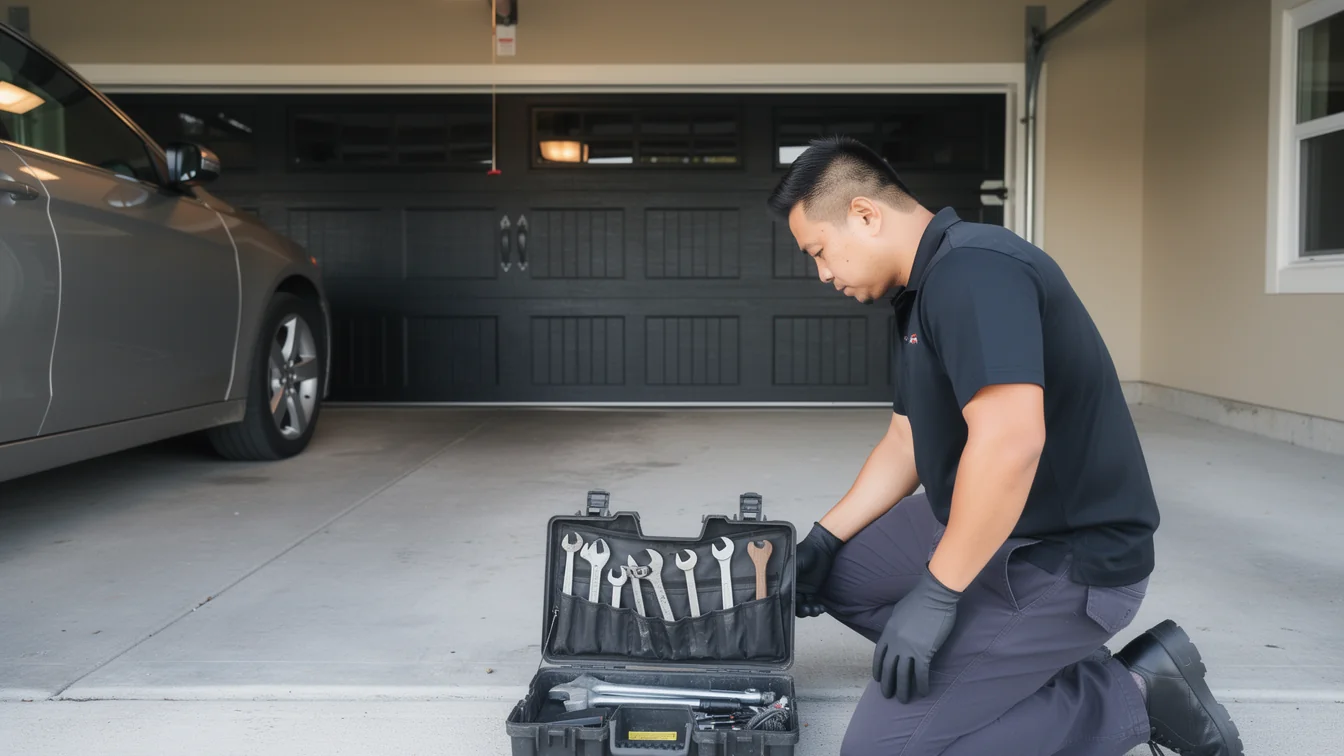 What's Actually Included When We Come Out
A service call here checks 1970s-era torsion hardware, worn seals, and cold-weather adjustments common across Wichita Falls homes built between 1974 and 1983.
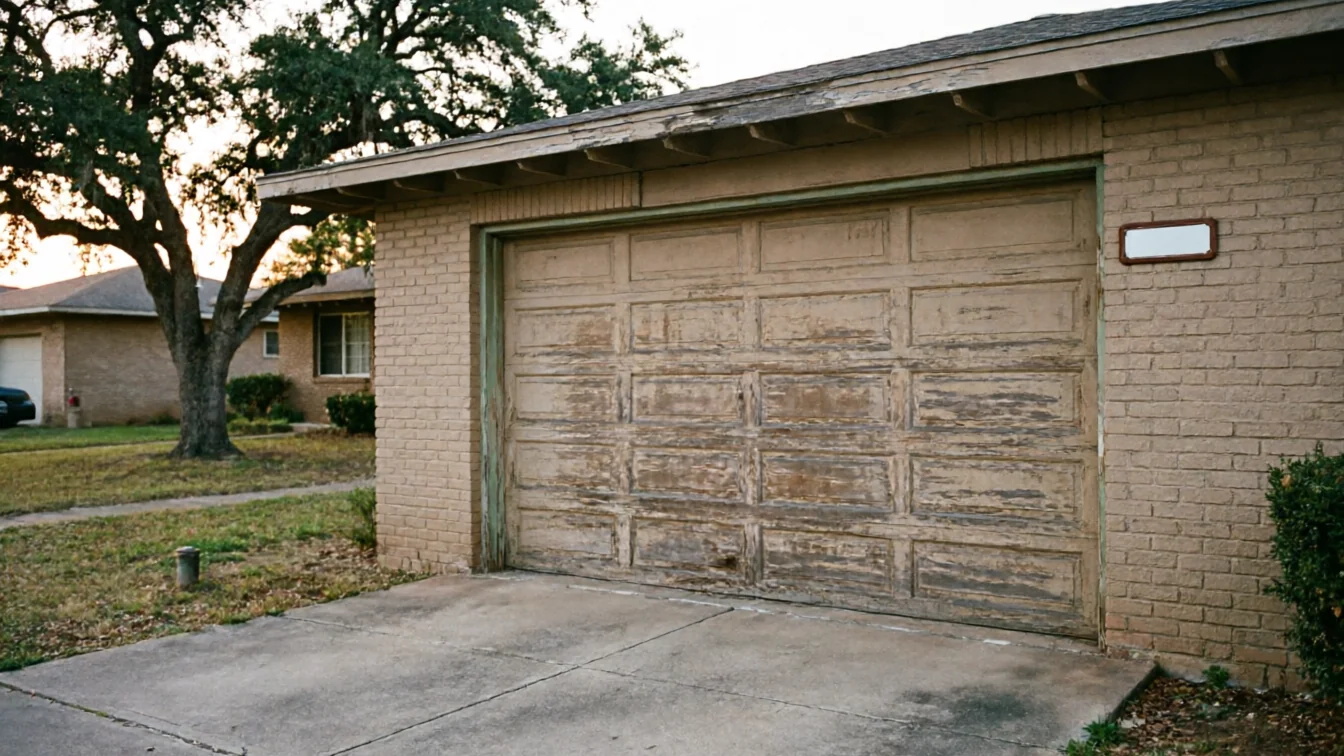 What an Older Garage Door Here Is Actually Worth Fixing
Wichita Falls homes mostly date to the 1970s, and original garage doors on that stock often fail the same way.
Ready when you are
Need a garage door sorted in Wichita Falls?
Wichita Falls Garage Door Pros repairs and installs garage doors, springs and openers in Wichita Falls, TX and the surrounding area.