
Wichita Falls, TX
Garage Door Panel Replacement for Wichita Falls Homes
Dented or cracked garage door panels are common on Wichita Falls homes built in the 1970s. We match panels to older steel and aluminum doors and replace what's bent.
Popular Services
What Can Go Wrong
A garage door panel fails a few different ways. Steel panels dent from a backed-into car, a stray basketball, or hail that gets flung sideways in a gust.
Creased aluminum panels
Aluminum panels, common on doors from the 1970s building boom here, crease rather than dent - once that crease sets in, the panel won't pull flat again no matter how hard you push on it. Wood composite panels on older doors swell and delaminate at the bottom where moisture sits longest.
Track shift from buckling
On a lot of the doors we see in this service area, the panel itself isn't the only issue - the track alignment shifts once a panel buckles, so the door starts binding on one side even though the opener motor sounds fine.
Rust-through on bottom panel
We also see rust-through on the bottom panel section, usually on doors that have had standing water sit against them for a few winters. A single bad panel on a multi-panel door isn't a reason to replace the whole door automatically, but it does mean checking the rest of the panels for the same wear, since they're usually the same age and metal gauge.
Color and ribbing matches
One limitation worth saying up front: once a panel style is more than a few decades old, we often can't get an exact color or ribbing match from current manufacturers. We'll get close, but a single new panel on an old door can look slightly different until the whole door weathers evenly.
How It Shows Up
Most calls start the same way: a dent or crack that showed up overnight, or a panel that's been bowing out a little more each month.
Daylight through seams
Homeowners usually notice it when the door starts catching on the track during the open-close cycle, or when daylight starts showing through a seam that used to be tight. Sometimes it's cosmetic first - a long scrape or a caved-in section near the bottom - and the door still opens fine for a while.
Grinding from hinge misalignment
That changes once the panel deformation pulls the hinges out of square. At that point you'll hear a grinding or popping sound as the door travels, and the opener may start reversing on its own because the safety sensors read the misalignment as an obstruction.
Panels never replaced before
With housing stock across this area mostly dating to the 1960s through the 1980s, a lot of these doors are on their second or third owner and have never had a panel replaced. By the time a panel fails outright, the rest of the door's hardware - rollers, hinges, the end stiles - is usually close behind it in wear. That's worth knowing before you commit to just the one panel.
How We Fix It
We start by identifying the door's manufacturer and model, which on a lot of the older doors in this area means pulling a faded label off the inside of the top panel or matching the panel dimensions and screw pattern by hand.
Gauge and insulation matching
If the manufacturer still makes a comparable panel, we order it to match gauge and insulation type. If the exact model is discontinued - common on doors from the 1970s and early 1980s - we look at whether a compatible panel from a similar era door will work, or whether panel replacement has stopped making financial sense compared to a full door swap.
Panel swap, spring untouched
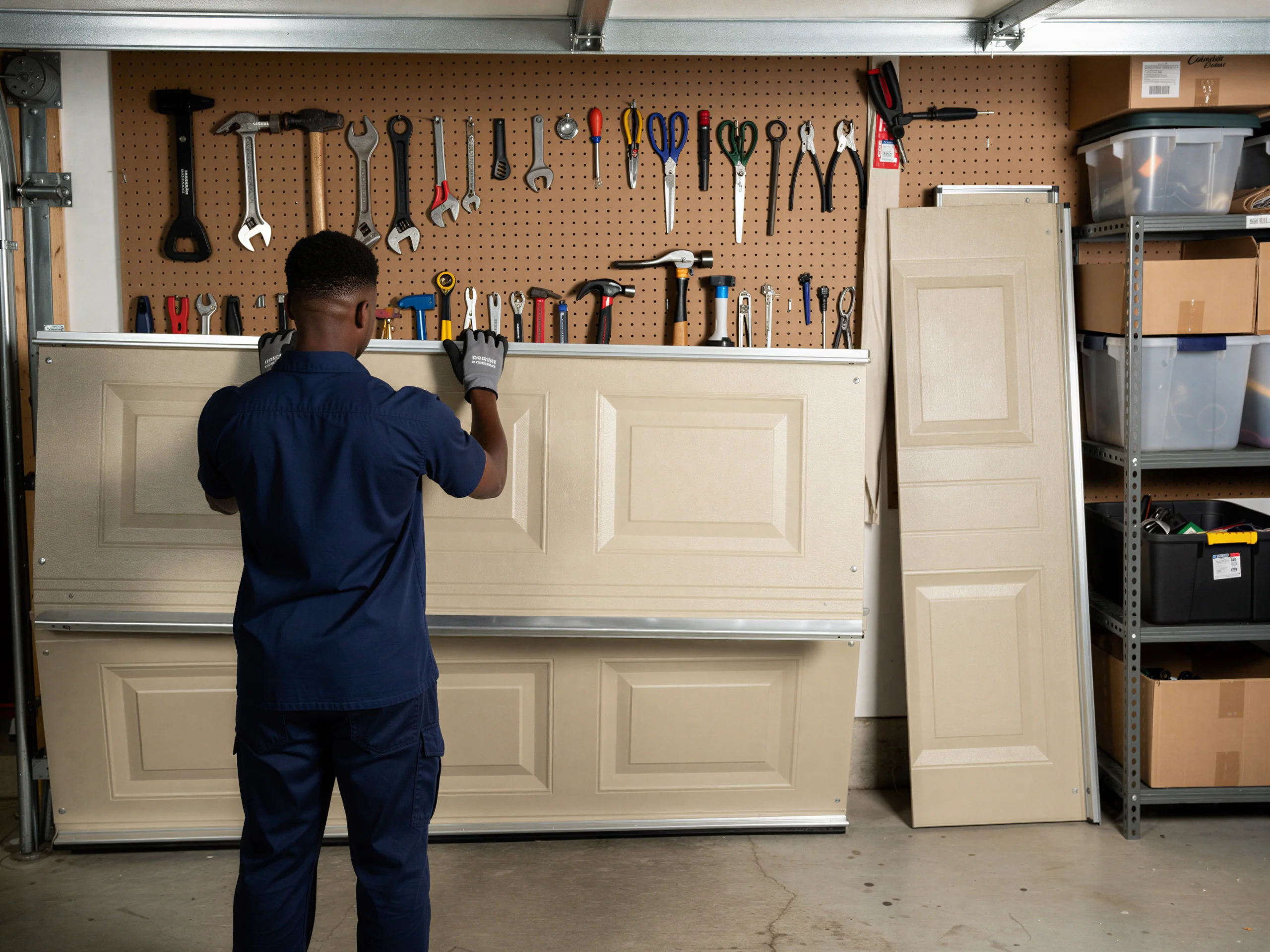
Once the panel's in hand, the job is removing the damaged section without disturbing the torsion spring tension on the rest of the door, swapping the panel, and resetting the hinges and rollers so the door travels square on the track again.
Force check after repair
We check the opener's force settings after, since a door that's been running slightly misaligned for months sometimes has the opener compensating with extra force - leaving that as-is after the repair just sets up the next problem.
Why It Happens Here
A big share of the houses in this service area were built between 1974 and 1983, and that generation of garage doors used thinner steel and aluminum gauges than what's standard today - lighter metal that dents and creases more easily and doesn't spring back the way a modern insulated panel does. Combine that with a cold-moderate climate where temperatures swing enough to expand and contract metal panels through the winter, and you get seams that loosen and paint that cracks at the bonding line between panel and frame over the years. None of that is damage from one bad storm - it's cumulative, which is why panel failure tends to show up as a slow bow or crease rather than a sudden break.
Across the roughly 7,850 households and 5,150 owner-occupied houses in this area, most garage doors are original or close to it, meaning the panels were never built to the specs or insulation standards used today. That's also why an exact replacement panel isn't always available - the doors are old enough that some manufacturers have moved on to different panel profiles entirely.
Questions
Common questions
Can you replace just one panel instead of the whole door?
Usually, yes, if the rest of the door and track are in decent shape. The harder part on older doors is finding a matching panel, since a lot of doors built in the 1970s and early 1980s used profiles that aren't made anymore. We'll tell you straight if a close match is the best we can do, or if replacement makes more sense.
Why did my aluminum panel crease instead of dent?
Aluminum doesn't flex back the way steel does. Once it bends past a certain point it stays bent, which is why older aluminum panels - common on doors from this area's 1960s-70s building stock - tend to show a sharp crease line rather than a rounded dent.
Will a cracked panel affect my opener?
It can. A warped or cracked panel pulls the door slightly out of square on the track, and the opener's safety sensors can read that misalignment as resistance, causing the door to reverse mid-cycle or struggle to seal at the bottom.
Explore more
Explore More Services In Wichita Falls, TX
Garage Door Spring Repair for Wichita Falls Area Homes
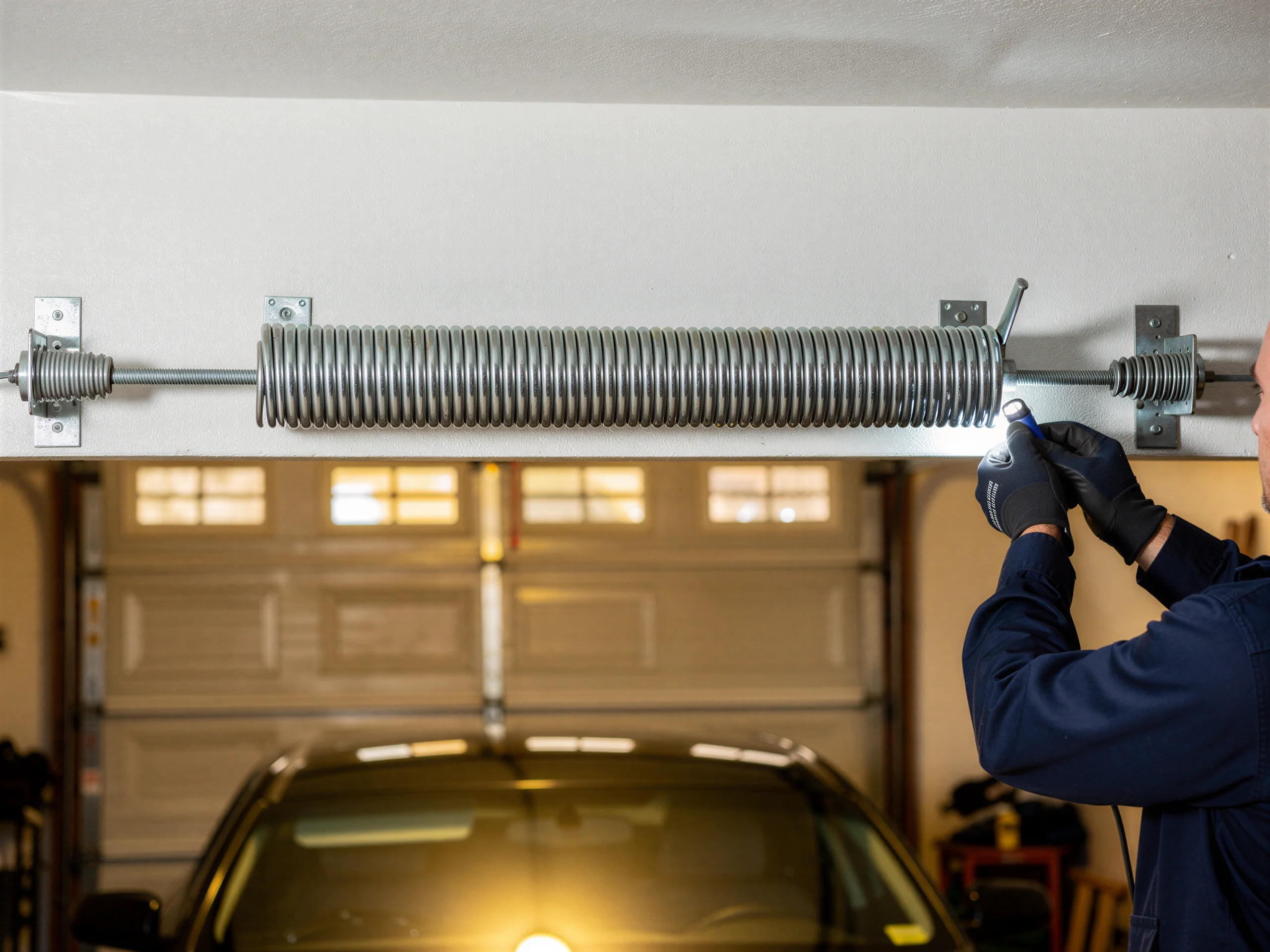
Most homes in this service area were built between 1974 and 1983, and the torsion springs from that era are long past their lifespan. Learn more →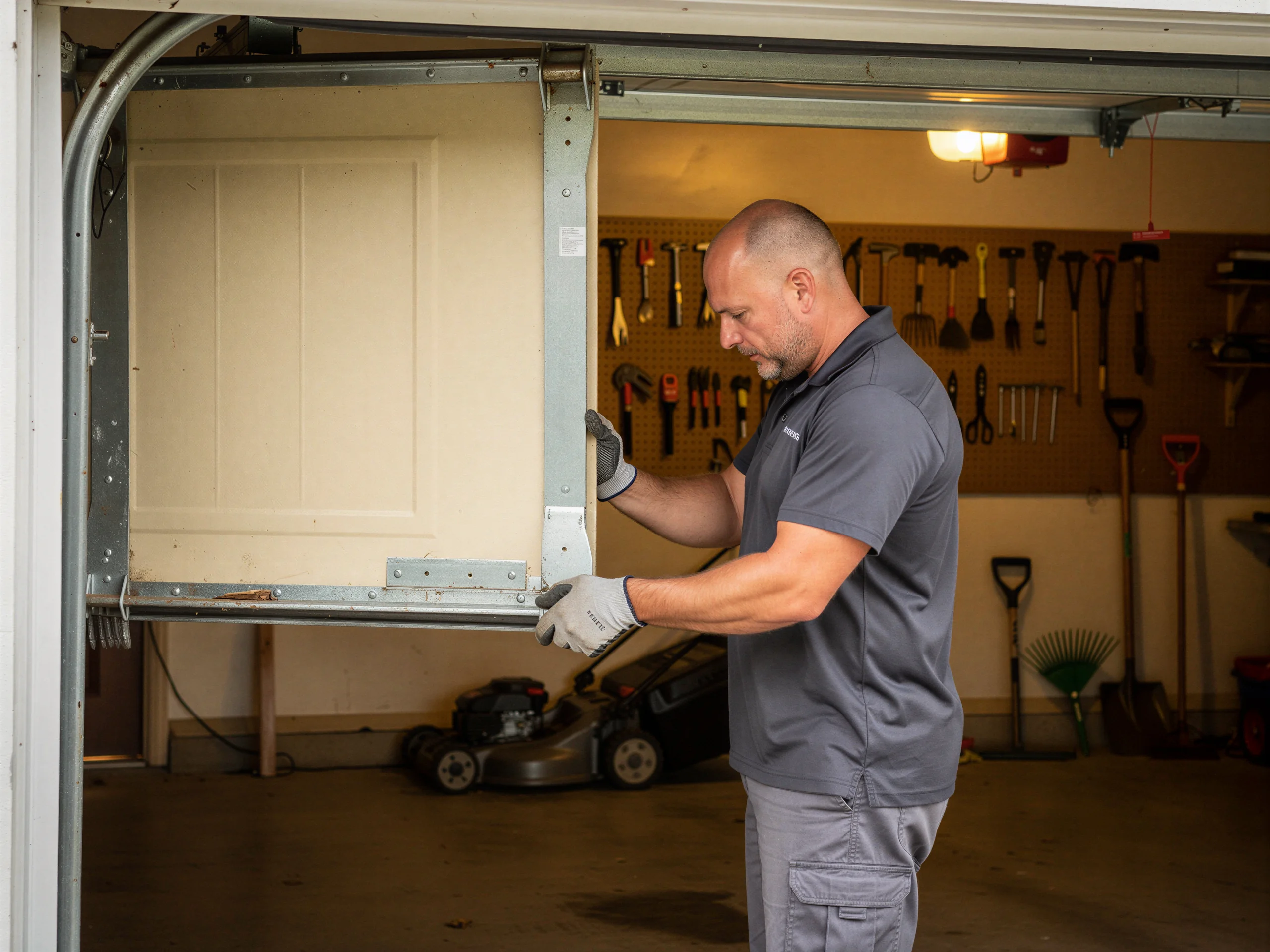
Garage Door Service in Wichita Falls, Texas
Garage door service for Wichita Falls homes built mostly between 1974 and 1983 - springs, openers, and track worn by big seasonal temperature swings and original hardware. Learn more →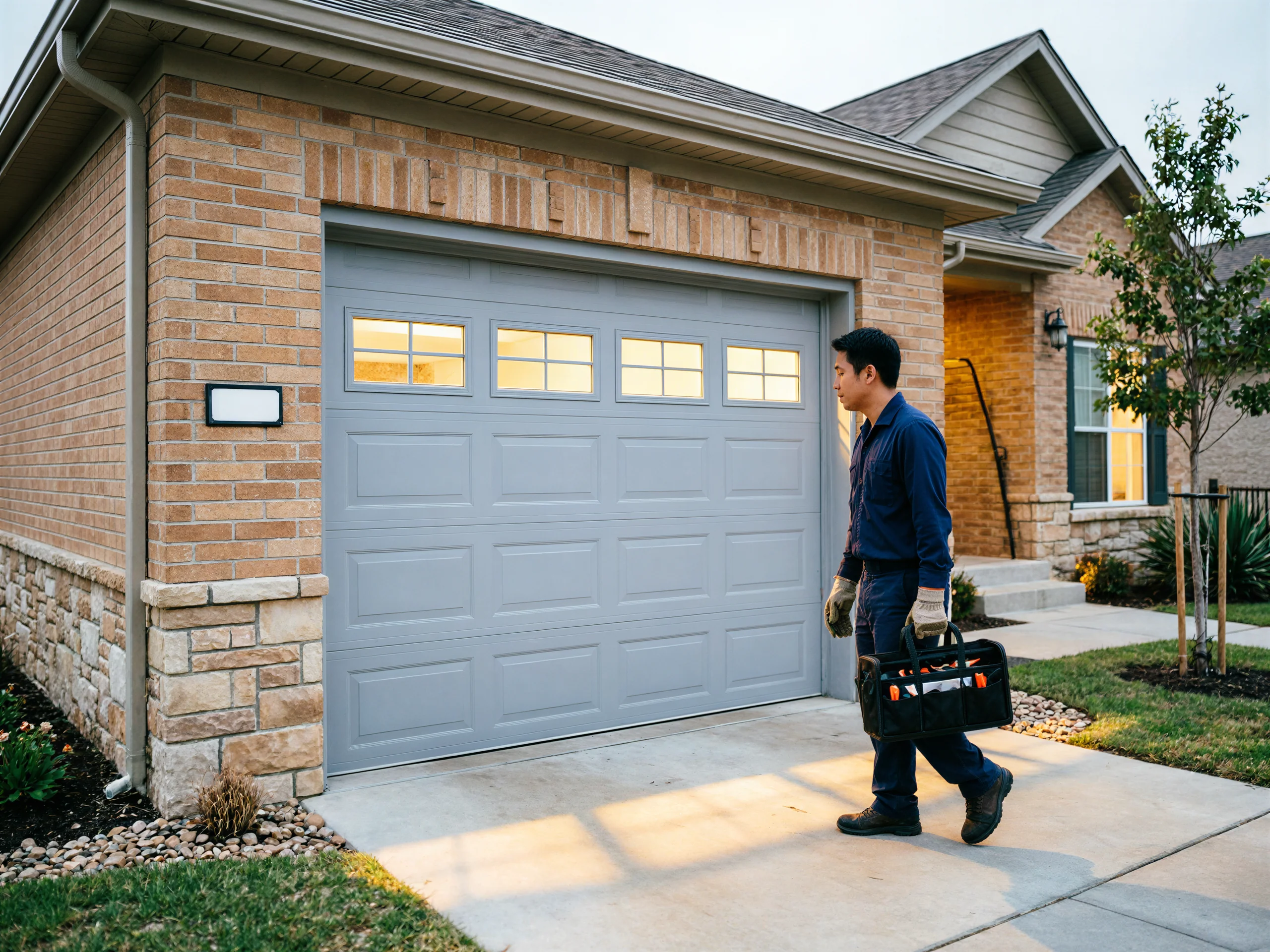
Emergency Garage Door Repair in Wichita Falls
Broken spring, stuck opener, or a door that won't close in Wichita Falls? Learn more →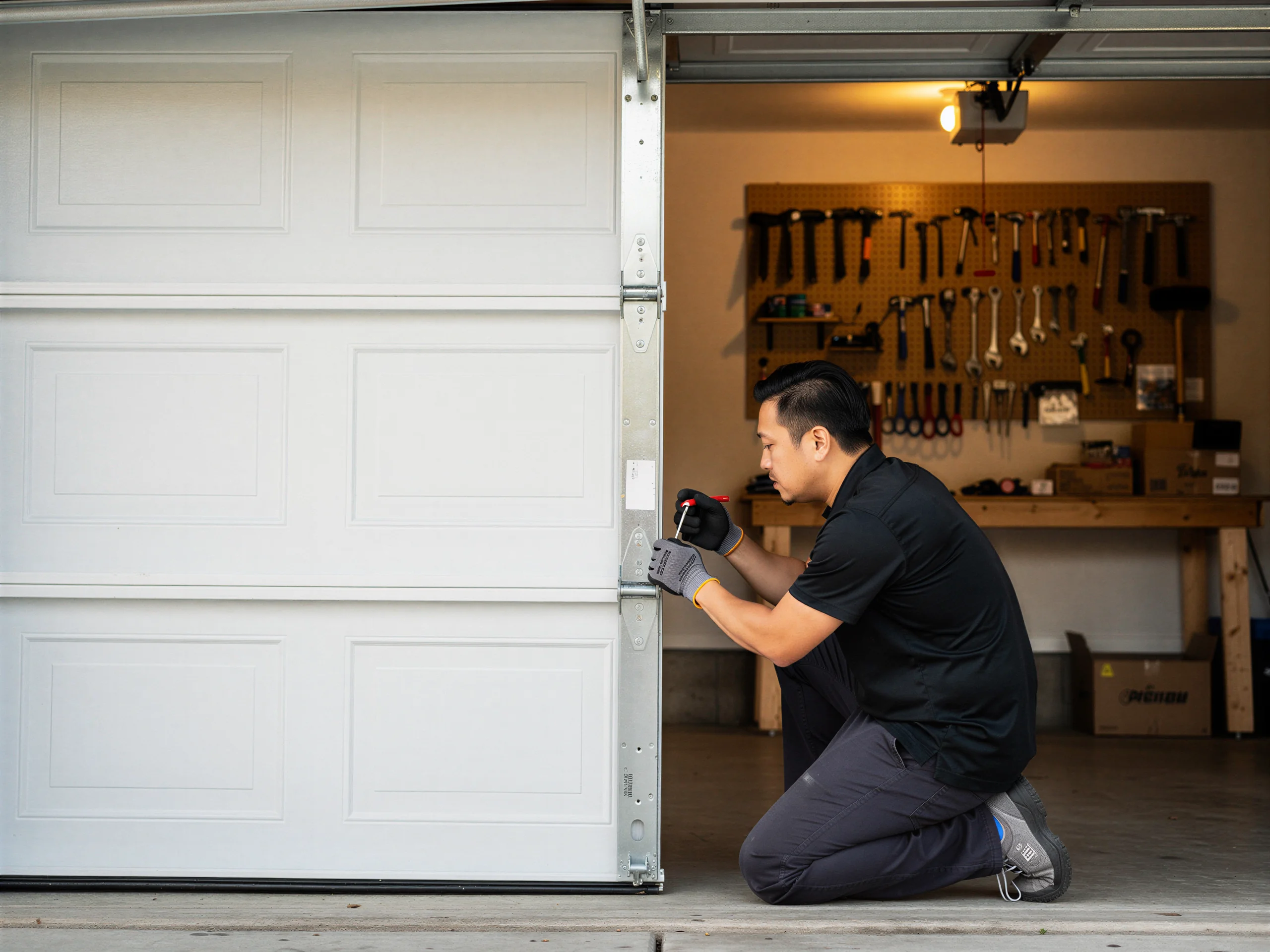
Garage Door Repair Built Around Wichita Falls Houses
Garage door repair for Wichita Falls homes built in the 1970s boom years, where original hardware and hot-to-cold swings wear springs and openers faster than newer stock. Learn more →
Garage Door Maintenance Built Around Wichita Falls Houses
Garage door maintenance for Wichita Falls homes built mostly in the 1970s, matched to our cold-moderate swings. Learn more →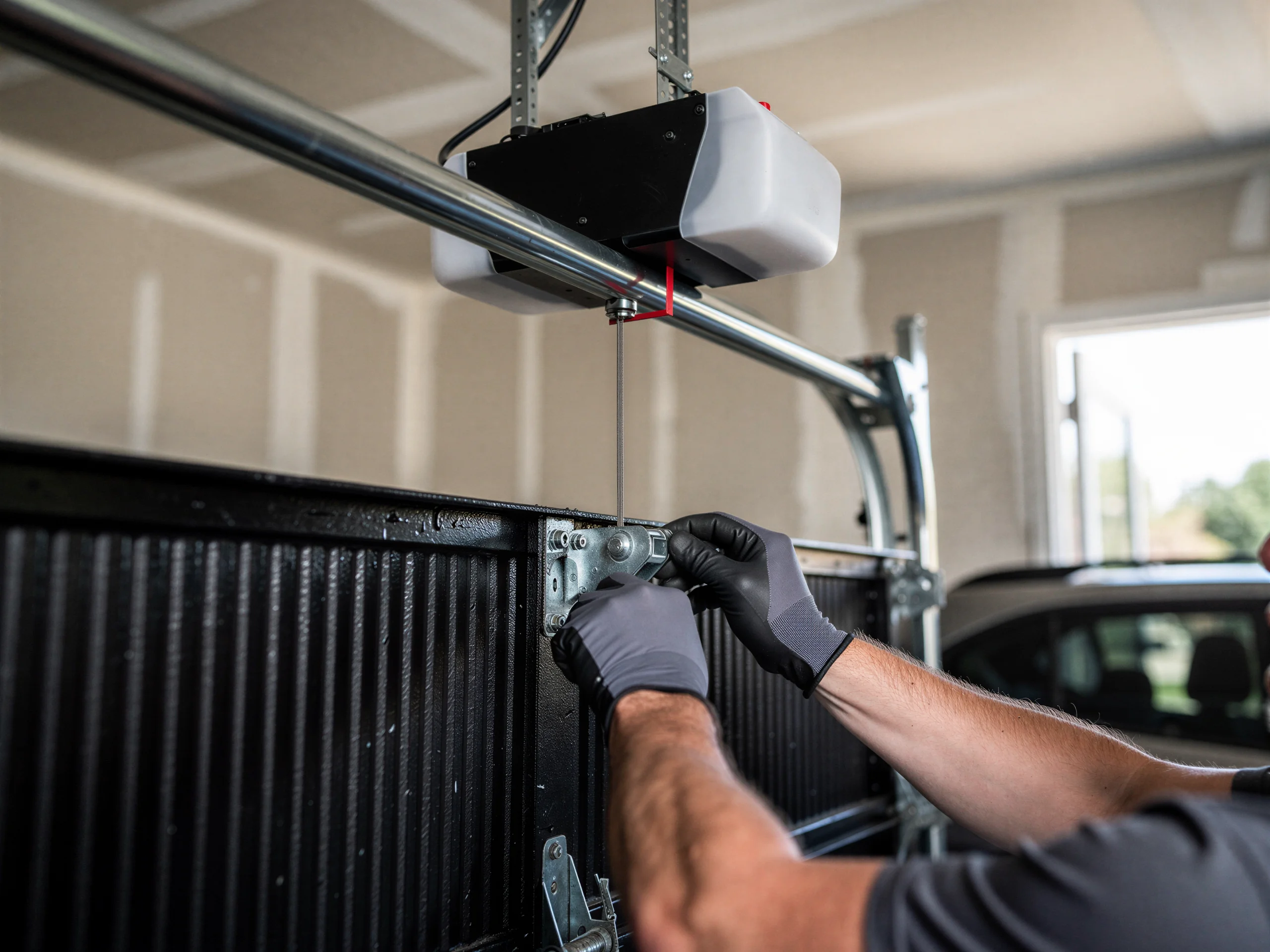
Garage Door Opener Installation for Wichita Falls Homes
Most Wichita Falls homes went up between 1974 and 1983 with openers long past safe service life. Learn more →Ready when you are
Cracked or dented door panel in Wichita Falls?
Wichita Falls Garage Door Pros repairs and installs garage doors, springs and openers in Wichita Falls, TX and the surrounding area.