
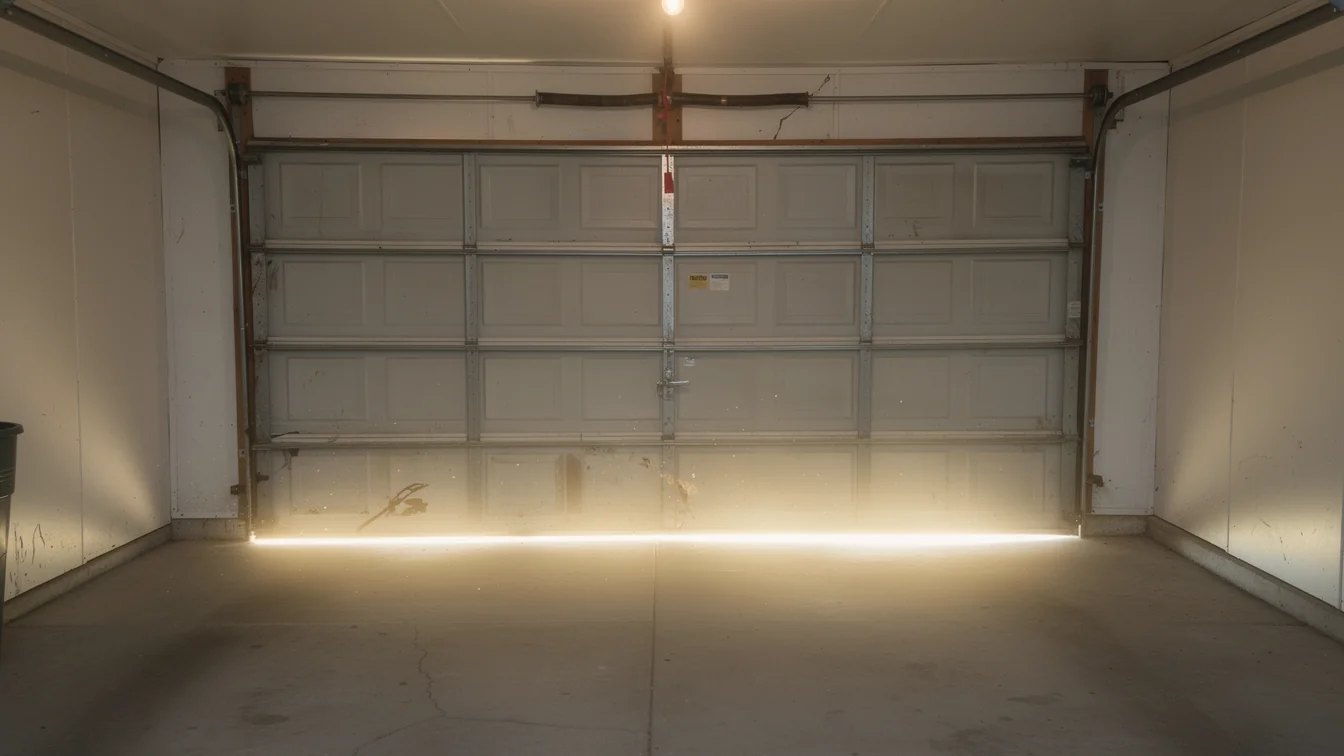
 When a Wichita Falls Garage Door Needs More Than a Weekend Fix
Wichita Falls homes built mostly 1974-1983 run original torsion hardware into a cold winter swing.
BlogWichita Falls, TX · 4 min read
Openers, Power Cuts, and When to Stop Fixing It Yourself
Why openers from the 1974-1983 building boom fail during power cuts around Wichita Falls, and when a cold-weather jam is past the point of a DIY fix.
Local detail
When It Stops Being a DIY Job
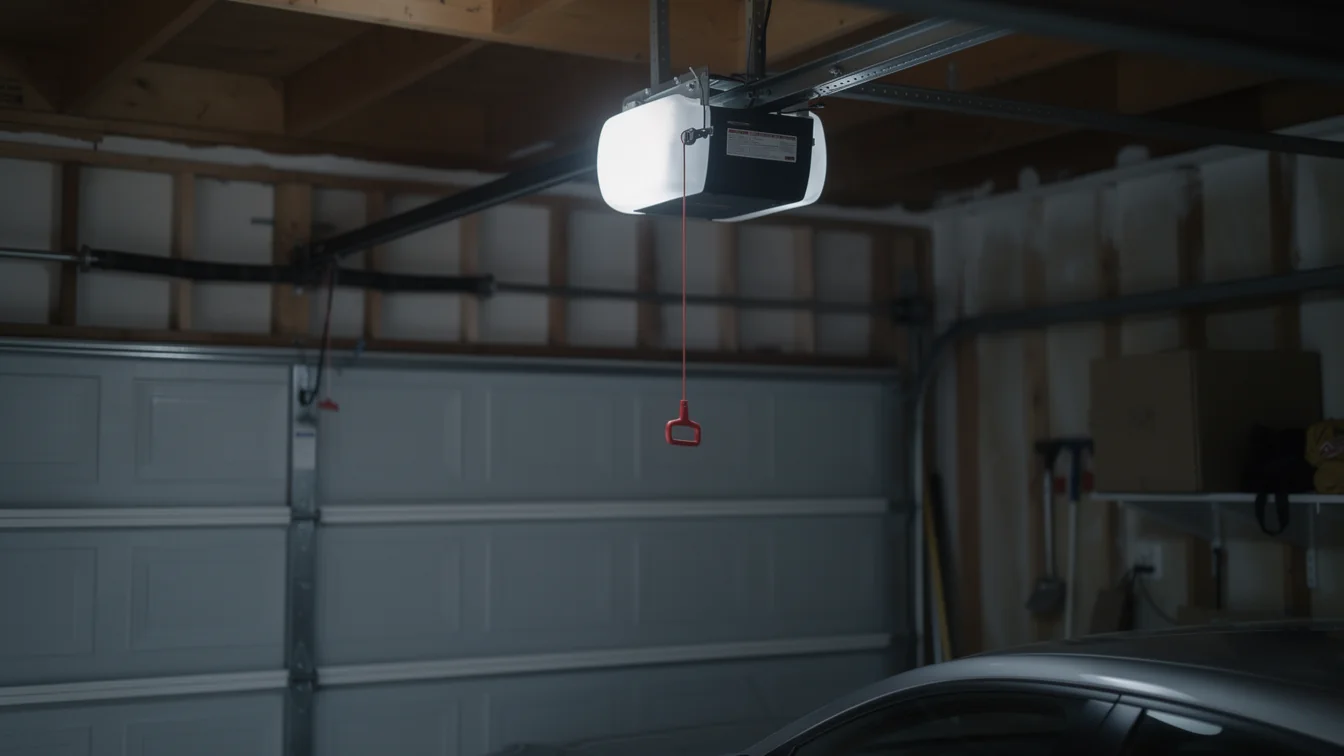
If your opener quits the second the power comes back on after an outage, that's not a fuse you can swap and move on from. Most houses in this service area went up between 1974 and 1983, and a lot of them are still running the opener that came with the house or a direct replacement from decades back. Those units don't have the battery backup or surge protection that newer openers carry standard. A power cut doesn't just stop the door mid-track - it can scramble the logic board or burn out the circuit board entirely, and at that point you're not troubleshooting, you're replacing a part that may not even be made anymore.
The DIY line sits at the breaker box. If you've reset the breaker, confirmed the outlet has power, and the opener still won't respond or runs the motor without moving the door, stop there. Pulling the cover off a dead logic board or rewiring a travel limit switch on a 40-year-old unit is where people strip screws, crack housings, or get a door that slams instead of rolling. That's a call, not a weekend project.
The area
The Situation
Across the four main areas of older stock here - the bulk of it built in that same 1974-1983 window - openers and the wiring feeding them are original or close to it far more often than not. A household at the median income of $65,068 is usually not replacing an opener until it actually fails, which means a lot of units are running well past the point where a power interruption is survivable for the board inside them.
The pattern we see is specific: a storm knocks power out for a few minutes, it comes back, and the opener either does nothing or runs the chain without engaging the carriage. On a door that age, the opener and the torsion spring were often sized together, so a dead opener sometimes exposes a spring that was already near the end of its cycle count. One problem surfaces the other.
What we find
Where People Go Wrong
The most common mistake is assuming the opener itself is the whole problem. On houses from the 1974-1983 run, the wiring to the opener is frequently original too - cloth-sheathed in some cases, undersized for a modern unit in others. Swapping in a new opener on old wiring can trip the same failure again the next time the power blinks.
The second mistake is manually forcing the door after a power cut instead of disengaging the opener first. Pull the red release cord before you try to move the door by hand. Force it through the opener's gearing and you can strip the drive gear, which turns a wiring fix into a full opener replacement.
Third: people in Pleasant Valley, Iowa Park, Holliday, and Burkburnett call us assuming a dead opener means a dead spring, or the reverse. They're connected systems but not the same repair, and diagnosing one without checking the other usually means a second call a few weeks later.
How we work
What Local Conditions Do
This area sits in a cold-moderate climate band, and that matters more for openers than people expect. Cold snaps put more load on the opener motor because grease in the track and the drive gear stiffens up, and that's exactly when power cuts are most likely too - the same weather that knocks lines down is the weather that makes the opener work hardest. An opener that's borderline in October can fail outright the first hard freeze that comes with an outage.
We don't carry every discontinued circuit board for openers from the 1970s and early 1980s - some of those parts simply aren't manufactured anymore, and when that's the case, replacement is the honest answer, not a rebuild. If your opener is original to a house from that era and it's gone out during a power cut, get it looked at before the next cold front, not after.
Questions
Common questions
My opener came back on after the power did but won't move the door. What's wrong?
Usually the logic board took a hit from the power surge when service resumed, or the travel limits reset wrong. On openers original to houses built in the 1974-1983 range, this is common enough that we check the board first before assuming a motor failure.
Is it safe to open the door by hand during a power cut?
Yes, but only after you pull the manual release cord hanging from the opener rail. Lifting against an engaged opener gear can strip it, turning a simple outage into a opener replacement.
Why does my opener struggle more in winter?
Cold stiffens the grease in the drive gear and track, which makes the motor work harder right when storms are also more likely to cut power. Older openers in this area, many from the 1970s building stock, are most likely to fail under that combined load.
Can you still get parts for an opener that old?
Sometimes. Circuit boards for openers from the 1970s and early 1980s are often discontinued, and when that's the case we'll tell you replacement is the better option rather than chase a part that doesn't exist.
Recommendation
You Might Also Like
More garage door guides for Wichita Falls homeowners.
When a Wichita Falls Garage Door Needs More Than a Weekend Fix
Wichita Falls homes built mostly 1974-1983 run original torsion hardware into a cold winter swing.
 Spring Repair in Wichita Falls: Know When to Stop
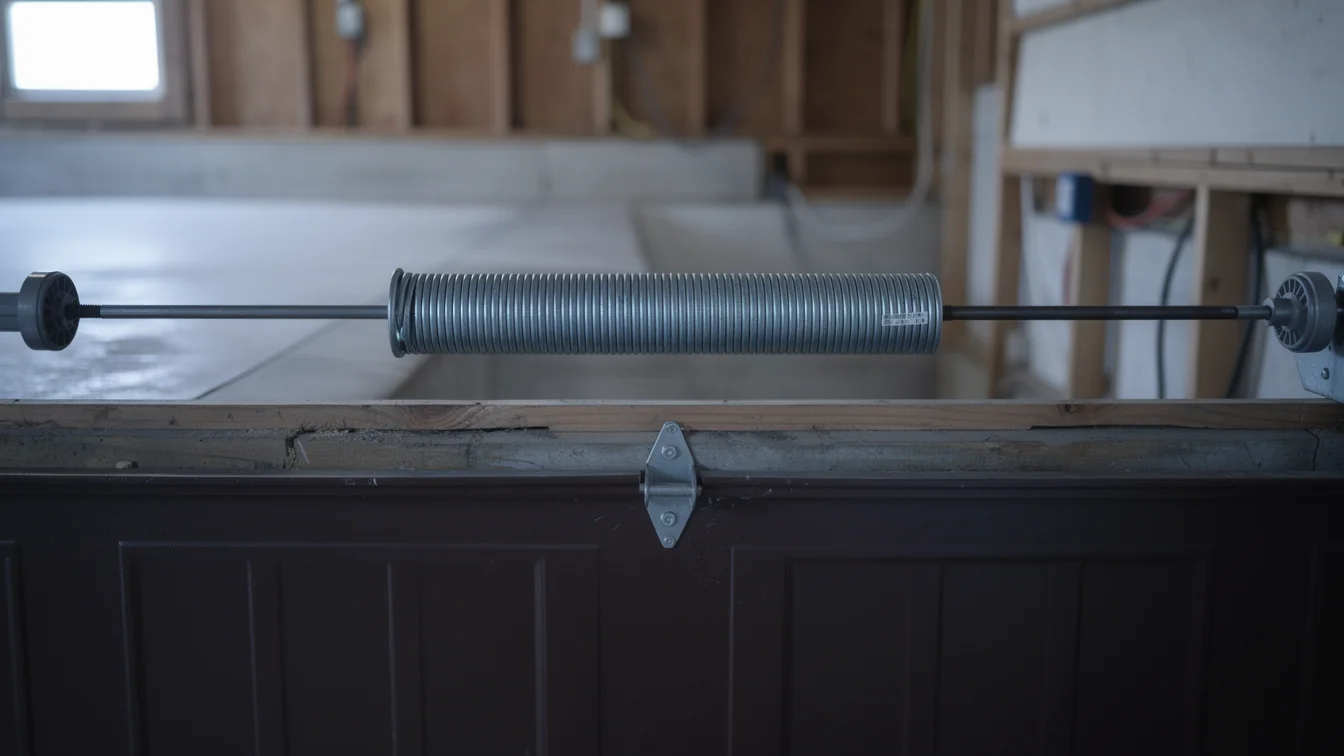
In Wichita Falls, homes mostly date to the mid-1970s, and cold snaps break original torsion springs fast.
 What's Actually Included When We Come Out
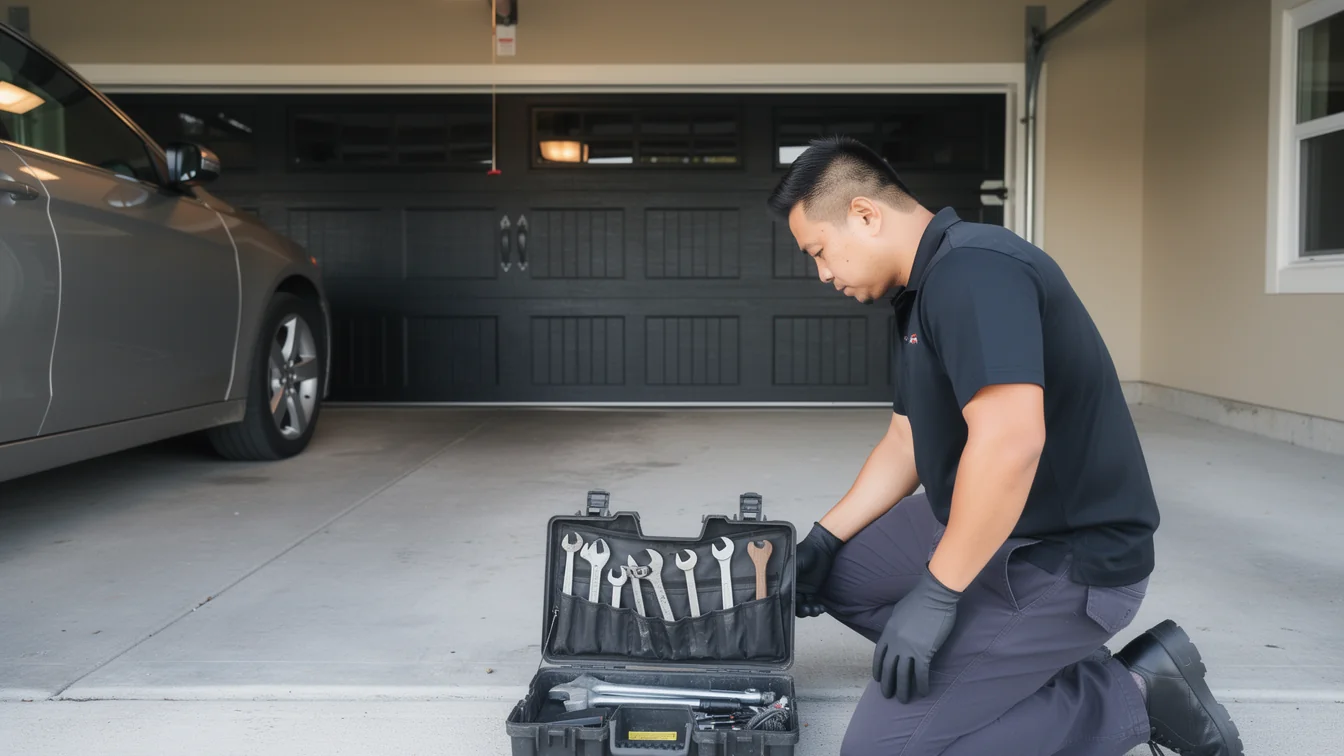
A service call here checks 1970s-era torsion hardware, worn seals, and cold-weather adjustments common across Wichita Falls homes built between 1974 and 1983.
Ready when you are
Need a garage door sorted in Wichita Falls?
Wichita Falls Garage Door Pros repairs and installs garage doors, springs and openers in Wichita Falls, TX and the surrounding area.